
The Benefits of Combining Pilates and Strength Training
So The Quick Answer:
CombiningPilates and strength traininghelps improve core stability, flexibility, posture, and overall muscle strength. At Sequins Studio, many clients use both methods together because Pilates strengthens the stabilizing muscles needed for safer and more effective strength training. Research shows that regular strength training can improve muscle function and support long-term physical health.
More people are choosing Pilates studios in Toronto for longevity, strength, stability, posture alignment, and nervous system well-being without the strain of high-impact workouts. Unlike traditional gym workouts, Pilates focuses on sustainable, long-term health that fits naturally into everyday life.
Sequins Studio is one of the best Pilates studios in Toronto for those seeking small class sizes, expert instructors, and personalized, results-driven training — all set within a polished Victorian Era Clubhouse in Cabbagetown, with parking conveniently nearby.
Sequins Studio is a boutique movement studio in Cabbagetown offering Pilates, Barre, Yoga, and Fascia Release classes. The approach is intimate and results-driven, focused on alignment, strength, and mobility. For anyone in Cabbagetown searching for real, visible results, Sequins delivers an experience that goes well beyond a typical workout.
Introduction
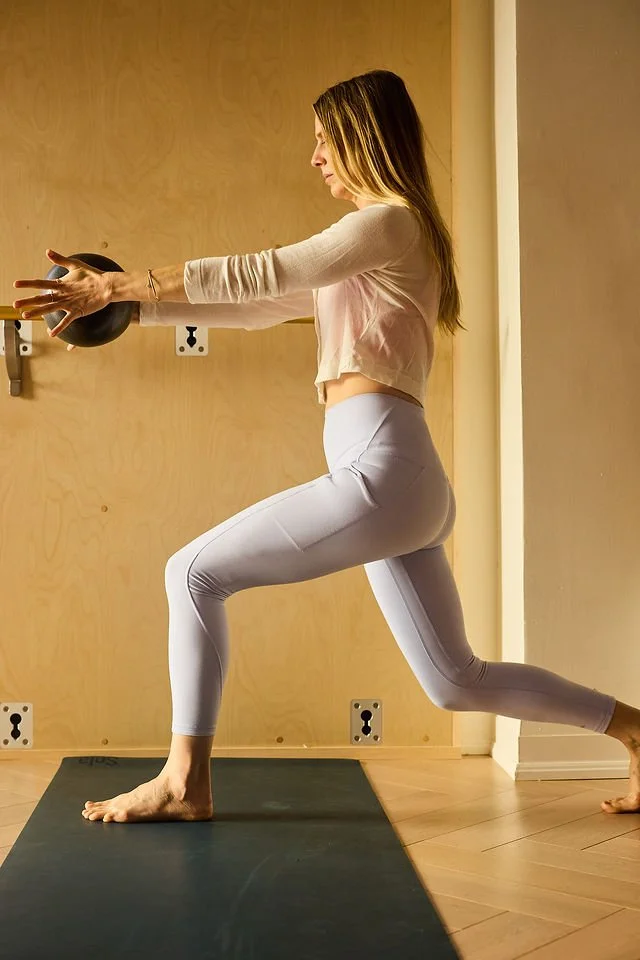
Many people assume they must choose between Pilates and strength training, but the two forms of exercise actually complement each other well. Strength training focuses on building muscle, increasing power, and improving bone health, while Pilates emphasizes core strength, flexibility, posture, and body awareness. When combined, they create a balanced fitness routine that supports both performance and long-term wellness.
This approach is becoming increasingly popular among fitness enthusiasts, athletes, and beginners because it develops multiple aspects of fitness at the same time. According to the Physical Activity Guidelines for Americans, adults should perform muscle-strengthening activities at least two days per week to maintain health and physical function. Pilates can enhance these benefits by improving movement quality and stability, making strength training safer and more effective. If you're still weighing your options between class formats, our guide onPilates vs Barre: Which Class Is Right for You? breaks down how each format supports a strength-training routine differently. In this article, we'll explore how combining Pilates and strength training can improve overall fitness and help support healthy movement for years to come.
How Does Pilates Improve Strength Training Performance?
Pilates focuses heavily on strengthening the core, which includes the abdominal muscles, lower back, hips, and pelvis. These muscles provide stability during many strength-training exercises, including squats, lunges, deadlifts, and overhead presses.
A stronger core allows the body to transfer force more efficiently, helping improve lifting technique and reducing unnecessary strain on joints. Pilates also teaches body awareness, which helps individuals recognize and correct movement patterns that may limit performance.
Benefits of Pilates for strength training include:
Improved core stability
Better balance and coordination
Increased movement control
Enhanced exercise technique
At Sequins Studio,Pilat-EASE andConnect Core classes help participants develop the stability and control that can support more effective resistance training both in and outside the studio. Connect Core, in particular, uses a wall sling suspensions system to deepen core activation beyond what mat work alone can offer.
Why Does Combining Pilates and Strength Training Help Prevent Injuries?
Injury prevention is one of the most valuable benefits of combining Pilates and strength training. While traditional strength workouts focus on building larger muscle groups, Pilates targets smaller stabilizing muscles that support proper alignment and joint function.
When stabilizing muscles are weak, larger muscles often compensate, increasing stress on joints and connective tissues. Pilates helps improve movement mechanics, posture, and muscular balance, reducing the likelihood of overuse injuries.
Combining both methods can help:
Improve joint stability
Correct muscular imbalances
Support proper posture
Reduce lower back discomfort
At Sequins Studio, many participants use Pilates alongside their regular fitness routines to improve movement quality and maintain healthy exercise habits. Anyone managing existing back pain or postural imbalances can find more guidance in ourFAQ section on which class to start with.
Can Pilates Improve Flexibility and Mobility?
Yes. One common challenge with strength training alone is muscle tightness, particularly when recovery and mobility work are overlooked. Pilates incorporates controlled stretching and dynamic movement patterns that improve flexibility and joint mobility.
Better mobility allows muscles and joints to move through a fuller range of motion, which can improve exercise performance and reduce movement restrictions.
Benefits of improved mobility include:
Better exercise form
Increased range of motion
Reduced stiffness
Improved recovery between workouts
At Sequins Studio,Stretch Limo andDuck Comfit classes often include mobility-focused and fascia-release movements that help participants maintain flexibility while continuing to build strength elsewhere in their routine.
What Are the Overall Benefits of Combining Pilates and Strength Training?
When Pilates and strength training are combined, individuals can experience improvements across nearly every area of fitness rather than progress in just one. The core stability built through Pilates pairs with the muscle strength and power developed through resistance training to produce more efficient, better-coordinated movement. Improved flexibility and balance support functional strength, while the postural awareness Pilates teaches works alongside the bone-health benefits of strength training to protect long-term joint and skeletal health. Together, these combined effects translate into a lower risk of injury and noticeably better performance in daily life, not just inside the gym or studio.
This balanced approach supports both athletic performance and everyday movement, making it suitable for people of all fitness levels. For those who also enjoy a higher-intensity, strength-focused class,Barre Call blends resistance bands and light weights with the same stability principles taught in Pilates. Our guide toBest Barre Classes in Toronto: A Complete Guide to Getting Started is a helpful next read if you want to round out your weekly routine.
Does Combining Pilates and Strength Training Support Long-Term Wellness?
Long-term fitness is about more than building muscle or losing weight. It involves maintaining mobility, balance, strength, and independence as the body ages. Combining Pilates and strength training supports all of these goals.
Strength training helps preserve muscle mass and bone density, while Pilates supports flexibility, posture, and coordination. Together, these benefits contribute to improved quality of life and long-term physical function.
Long-term benefits may include:
Better balance and coordination
Improved posture
Increased functional strength
Greater confidence in movement
Enhanced overall well-being
At Sequins Studio, many adults use Pilates as part of a sustainable fitness routine that supports healthy movement and lifelong wellness. New to the practice?Beginner Pilates Classes in Cabbagetown, Toronto: Everything You Need to Know walks through exactly what to expect in your first few sessions.
Key takeaways
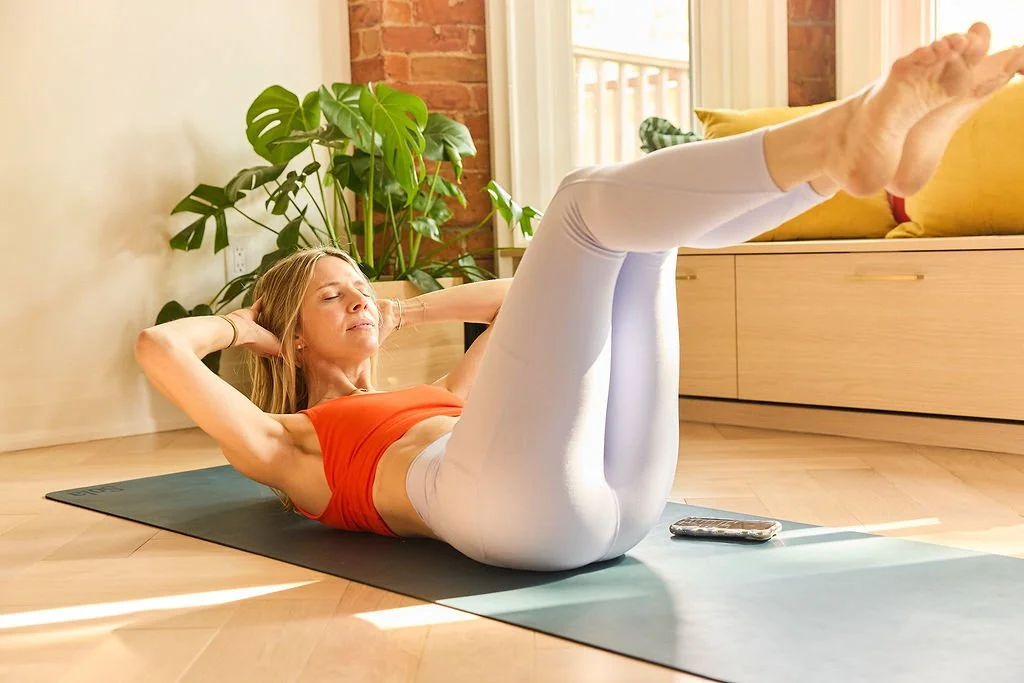
Combining Pilates and strength training creates a balanced fitness routine that develops strength, stability, flexibility, and coordination.
Pilates strengthens the core muscles that support better performance during strength-training exercises.
Improved mobility and flexibility can help reduce muscle tightness and enhance movement quality.
Using both methods together may reduce injury risk by improving posture and muscular balance.
Strength training builds muscle and power, while Pilates enhances control and body awareness.
The combination supports long-term health, functional fitness, and everyday movement.
Frequently Asked Questions
How often should I combine Pilates and strength training?
Most people benefit from strength training two to four times per week and Pilates two to three times per week. The ideal balance depends on fitness goals, recovery needs, and experience level. You can browse class times on theSequins schedule to plan a week that fits both.
Can beginners combine Pilates and strength training?
Yes. Pilates helps beginners develop core strength and body awareness, which can make learning strength-training exercises easier and safer. Ourbeginner Pilates guide is a good starting point if you're new to the practice.
Is Pilates enough to build muscle?
Pilates can improve muscular endurance and strength, but traditional resistance training is generally more effective for building significant muscle mass and power.
Should I do Pilates before or after strength training?
Both options can work. Pilates can be used before a workout to improve mobility and activation or on separate days to support recovery and movement quality. Some clients also alternate Pilates withBarre Call for added strength and endurance work; see ourPilates vs Barre guide for help structuring a weekly split.
Can Pilates improve athletic performance?
Yes. Pilates improves balance, flexibility, coordination, and core stability, all of which contribute to better athletic performance.
Is combining Pilates and strength training good for weight management?
Yes. Strength training supports muscle development and calorie expenditure, while Pilates helps improve movement efficiency and encourages regular physical activity.
